

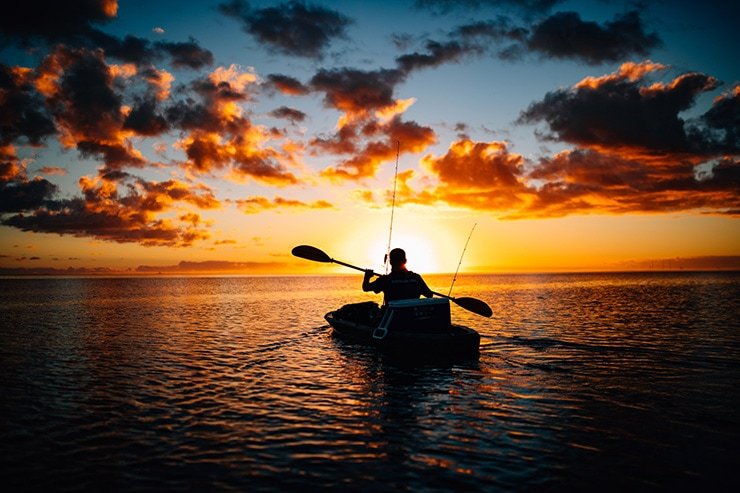
Solo kayak fishing is awesome, but sometimes it helps to have a group of like-minded friends, hence the need for fishing clubs. You can learn from other experienced anglers and share what you know with them. You’ll also be able to participate in tournaments and have fun with people who love kayak fishing as much as you do.
If you’re looking for kayak fishing clubs in Florida so you can enjoy these benefits, you’re in the right place.
Here are some of the best Florida fishing clubs in different areas that you can join.
1. South Florida Kayak Fishing Club, Miami
The South Florida Kayak Fishing Club is perfect for you if you’d like to meet other anglers in Miami. With almost 3000 club members, you’ll have lots of angler friends to interact with and enjoy yourselves.
This kayak fishing club holds tournaments, workshops, and contests, in addition to organizing fishing trips in different areas. If you like, you can suggest a meetup too.
Joining the South Florida Kayak Fishing Club is absolutely free. Check out their Facebook group if you’d like to join them.
https://web.facebook.com/groups/SoFlaYakClub/?_rdc=1&_rdr
2. Hardcore Kayak Anglers Club (HCKAC), Tampa Bay
The HCKAC is one of the most reputable kayak fishing clubs in Florida. It was formed in 2008 and has grown to have almost 2000 members.
This club was started to help group members share their kayak fishing knowledge with each other. It also promotes safe and environmentally friendly kayak fishing practices.
HCKAC holds a number of events every year, which take place in different locations. Winners of the tournament series get amazing prizes donated by the club’s sponsors.
The kayak fishing club doesn’t charge entry fees so you can join whenever you want.
3. Orlando Kayak Fishing Club, Orlando
OKFC was started back in 2006 to bring kayak fishermen together. The members fish in both salt and fresh water in Fl. They’re also passionate about the expansion of the sport as well as the conservation of resources.
Everyone is welcome to join if you love kayak fishing or you’d like to learn more about it.
Orlando Kayak Fishing Club is well-known and loved. It has grown to become one of the best fishing clubs in Central Florida. If you’re interested in joining them, check out their Facebook group.
https://www.facebook.com/groups/OKFC1
4. Central Florida Kayak Bass Anglers, Tavares
This club is perfect for competitive kayak anglers. They have partnered with Kayak Bass Fishing (KBF) so you’ll have more tournaments and events than you can count.
This is one of the best clubs if you want to make tons of angler friends and attend lots of fun events. The kayak fishing club is made up of all kinds of fishermen. It’s a nice place to learn from pros’ experiences and also share what you know.
https://tourneyx.com/app/club/cfkba–central-florida-kayak-bass-anglers
5. Kayak Anglers of Florida, Davie
Kayak Anglers of Florida Fishing Club is a warm community of anglers based in Davie, Fl.
The club hosts legendary fishing tournaments throughout the state. It’s a good option if you’re looking to make your angling life more exciting. The tournaments will also help you challenge yourself and grow as a kayak fisherman.
For information about the next tournament and how to join the Kayak Anglers of Florida, check out their Facebook page below.
https://www.facebook.com/kayakanglersofflorida/?ref=page_internal
6. Bay Area Canoe and Kayak Fishing Club, Tampa Bay
The Bay Area Canoe and Kayak (BACK) Fishing Club is for experts and beginners alike. Everyone is welcome to become a member as long as you love to fish.
They hold meetings every third Tuesday of the month where you’ll enjoy free food, meet other fishermen, and learn from notable guest speakers. They teach how to catch trout, redfish, and other fish species in the Tampa Bay Area.
The club also plans monthly outings, called Paddle-Ins, every third Saturday of the month for both daytime and nighttime fishing.
This is a nice club if you’re looking to get more kayak fishing education, make angler friends, and enjoy fun events.
7. Southwest Florida Kayak Anglers Association, Fort Myers
Southwest Florida Kayak Anglers Association is another popular club for kayak anglers in Florida.
The club was created for members to share their knowledge, gear reviews, and so much more. It’s a great way to get honest reviews about different kinds of fishing accessories and gear.
Additionally, the club hosts events such as get-togethers, tournaments. and fishing times for club members to come together and have fun.
If you’d like to share your knowledge with a wider audience you can submit an article to have it published on the club’s website too.
https://www.facebook.com/Southwest-Florida-Kayak-Anglers-Association-154578867960355/
8. Central Florida Kayaking and Fishing Club, Saint Cloud
This is a small club for kayak anglers based in Saint Cloud, Fl. If you’re a kayaker who loves to fish, the Central Florida Kayaking and Fishing Club would be great for you.
Local enthusiasts of the sport meet occasionally to talk about all things kayaking, canoeing, and fishing. They exchange ideas, tricks, the best kayak fishing locations, and more.
https://www.facebook.com/groups/419377171935394/
9. First Coast Fly Fishers Club, Jacksonville
Passionate about fly fishing? First Coast Fly Fishers might be the perfect fishing club for you. It is a family-oriented club for those who want to learn more or share their knowledge about the art of fly fishing.
FCFF welcomes fly anglers of all ages, as well as both boaters and kayakers. They organize seminars and outings every month. These outings are free and lunch is provided.
One cool thing about the FCFF club is their yearly exotic trips. Some members come together and travel to an amazing fishing destination. The destination can be anywhere in the world.
The club also organizes a yearly banquet for members (and family).
FCFF welcomes everybody to join. You can attend one of their monthly meetings or fill the application form on their website.
10. Florida Kayak Anglers
Not to be confused with Kayak Anglers of Florida (KAF), Florida Kayak Anglers is another awesome angling club for kayakers in Florida. It is a group of kayak fishermen and outdoor enthusiasts in general, aimed at uniting people with similar interests.
If you’re looking for a group of friends to go on fishing trips with and share knowledge, check them out.
https://www.floridakayakanglers.com/yhehnq24gxt392wwx8z1wt3pvaj9hl
Wrapping Up: Florida Fishing Clubs
Joining a kayak fishing club comes with many benefits. You get to meet fellow kayak anglers in your area and participate in fun events. You can also share your knowledge and learn from other fishermen, which will make you a better angler. Going fishing with friends is safer than going solo too.
Regardless of where you live or visit in Florida, there are tons of clubs for you to join. The ones discussed above are some of the best for all kinds of kayak anglers. Check them out and you might just find the perfect fishing family for you.
Happy kayak fishing!
